





























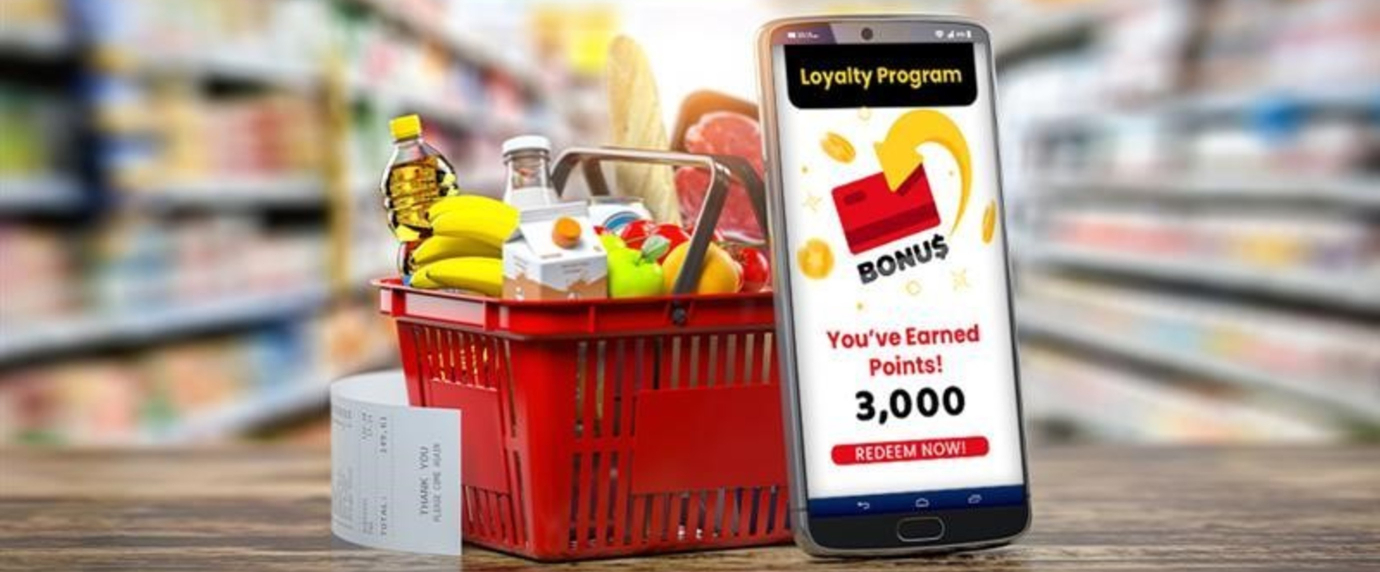
In 2025, customer retention has become more important than ever for grocery retailers. With increasing competition, shifting consumer expectations, and the continued growth of online and hybrid shopping behavior, a personalized, value-driven experience is no longer optional; it’s a need of the hour.
One of the most effective tools in achieving this is a well-designed grocery loyalty program.
A grocery loyalty program is a structured rewards system designed to incentivize repeat purchases by offering customer benefits like discounts, points, or exclusive deals. Besides just perks, these programs have a key role in collecting customer insights, strengthening brand relationships, and building long-term loyalty.
In this post, we will explore the top 5 features that set apart the best grocery loyalty programs in 2025, from AI-powered personalization to seamless omnichannel integration. Whether you are launching a new program or revamping an existing one, these features he
- Why Grocery Loyalty Programs Are No Longer Optional in 2025
The grocery industry in 2025 has become more competitive than ever. It is being shaped by digital disruption, inflation-sensitive customers, and the rapid evolution of shopping habits. Traditional grocers are competing with local rivals, ecommerce giants, quick-delivery apps, and AI-powered meal kit services for customer loyalty.
The global loyalty management market is expected to grow exponentially from $13.31 billion in 2024 to over $41.2 billion by 2032, according to Statista. Bond Brand loyalty reported that 79% of customers are more likely to recommend a brand with a good customer loyalty program.
Today’s consumers demand more than loyalty points or rewards. They expect seamless, omnichannel experiences powered by real-time rewards, personalized offers, and convenience at every touchpoint.
With the phase-out of third-party cookies and growing concerns around data privacy, loyalty programs have become one of the few trusted ways for grocers to ethically collect zero- and first-party data while building long-term customer relationships.
Retailers who fail to adapt risk falling behind as competitors leverage loyalty data to drive smart pricing, tailored promotions, and deeper customer engagement. In contrast, grocers who invest in robust, intelligent loyalty programs are not only protecting their customer base but also unlocking significant return on investment (ROI) and staying ahead of shifting market demands.
- 4 Benefits of Grocery Loyalty Programs
Grocery loyalty programs are powerful tools that help retailers build lasting customer relationships. They offer strategic benefits that drive business growth, retention, and smarter business decisions.
Let’s talk about how they benefit you.
- Increase Sales and Revenue
Effective grocery loyalty programs give customers a reason to visit more often or buy more. These programs incentivize customers to increase their size to earn loyalty rewards, leading to increased average order value (AOV).
This sustained buying behavior drives up store revenue. Loyal customers are often less price-sensitive, which boosts profit margins. Over time, the cumulative effect of this loyalty can significantly impact overall sales growth.
- Increased Customer Retention
Retaining customers is more affordable than acquiring new ones. Loyalty programs help build long-term relationships by rewarding continued patronage and making customers feel valued and appreciated.
This emotional connection keeps shoppers coming back, even during tough competition going on in the market. Higher customer retention leads to a stable customer base that sustains business even during market fluctuations. Loyal customers become brand advocates and believe in spreading positive word-of-mouth.
- Collect Useful Insights
Grocery store loyalty programs provide access to rich customer data, like shopping habits, preferences, and frequency. This information helps businesses understand which products are popular and when demand peaks.
Retailers can use these useful insights to optimize inventory, pricing, and product placement. It helps identify high-value customer segments. With data-driven decisions, grocery stores can operate more efficiently and profitably.
- Improve Marketing Efficacy
By analyzing loyalty data, grocers can create highly targeted and personalized marketing campaigns. Promotions can be tailored to individual preferences, which makes them more relevant and impactful.
This precision increases customer engagement and conversion rates while reducing wasted marketing spend. Effective loyalty-based marketing also improves brand perception and customer satisfaction. Overall, it ensures marketing efforts yield better returns and stronger customer relationships.
- Top 5 Features of the Grocery Loyalty Program
Here are five amazing features that can take grocery loyalty programs to new heights:
- AI-powered personalization
AI-powered loyalty systems use customer data like purchase history, browsing behavior, and preferences to deliver personalized offers and product suggestions.
This increases customer engagement by making customer rewards feel uniquely relevant to each shopper. Personalization can also boost basket size and frequency of visits. Over time, AI refines recommendations and ensures ongoing relevance and customer satisfaction.
- Seamless Omnichannel Integration
This allows customers to participate in grocery loyalty programs across all channels, including online, in-store, and mobile apps. Customers can earn points, redeem rewards, and track their progress regardless of whether they shop in-store or online.
- Tiered and Gamified Reward Systems
This offers a tiered system with varying benefits and rewards based on customer spending and engagement. To make your loyalty program fun and engaging, you need to include gamification elements like badges, challenges, and leaderboards.
This strategy keeps users engaged over the long term and promotes customer loyalty through positive reinforcement.
- Real-Time Rewards & Instant Redemption
Loyalty programs for grocery stores provide immediate rewards and feedback. This includes a user-friendly interface, mobile app access, and various redemption options. Customers appreciate immediate and real-time rewards to satisfy their expectations.
Points or discounts are updated instantly after purchases and can be redeemed on the spot via an app or the point-of-sale (POS). It creates a frictionless experience that encourages repeat visits and increases the perceived value of rewards. Real-time feedback also helps build excitement around promotions.
- Sustainability and Social Impact Incentives
Modern consumers value purpose-driven brands. Loyalty programs that reward eco-conscious behavior like using reusable bags, buying organic produce, or supporting local farmers that encourage sustainable shopping.
Additionally, it allows customers to donate points to charitable causes and fosters emotional connection and brand loyalty. It’s a win-win situation for both the community and customer engagement.
Over to You
In 2025, modern grocery store loyalty programs are essential tools for building meaningful, lasting customer relationships. Features like AI-powered personalization and seamless omnichannel integration ensure relevance and convenience across every touchpoint. Tiered rewards and gamified experiences keep customer engagement high, while real-time redemption adds instant value.