




























It’s 2025 in e-commerce land, with global online sales set to top $7 trillion and supply chain hiccups a mission-critical liability. As consumers increasingly expect same-day shipping and a more customized experience, the old-fashioned supply chain, built on manual processes and static forecasting, is a thing of the past.
It is here that artificial intelligence (AI) and machine learning (ML) have a huge role to play in transforming e-commerce operations with predictable, adaptive, and optimal systems. AI integration, McKinsey asserts, may reduce logistics costs by 5-20% at the same time as it increases agility – higher levels of preparedness to meet uncertainties like geopolitical pressure and climate events. The international AI in logistics market has skyrocketed to $20.8bn this year as the technology grows at a CAGR of 45.6% since 2020, with 78% of supply chain leaders saying they achieved some level of improvement from using it.
In this post, we will explore how AI and ML can improve those critical e-commerce supply chain pieces, from demand forecasting to last-mile delivery — tapping into 2025 tech like generative AI and digital twins to keep everything ticking along smoothly.
Demand Forecasting: Predicting the Unpredictable
Demand forecasting, which is at the core of e-commerce supply chain optimization, benefits from both AI and ML as they can process large datasets to predict consumer demand. Traditional methods can be a poor substitute for the chaos of trends in motion, yet ML algorithms can analyze historical sales, social media sentiment, weather patterns, and even events like viral TikTok challenges to make predictions with impressive precision. Add-ons like the PrestaShop Custom Registration Form enhance this by collecting detailed customer data, such as preferences and locations during sign-ups, which can be fed into ML models for hyper-accurate forecasts. To this, generative AI brings in 2025 an ability to simulate “what-if” scenarios – like how a product launch might affect Black Friday sales.
This makes it possible to reduce overstock by as much as 40% and stockouts by 30% for e-commerce giants. One example is Unilever, which used machine learning models to have a forecast accuracy increase from 67% to 92%, so they could precisely reflect their oracle allocation in all the global warehouses. Likewise, Procter & Gamble (P&G) deployed AI to identify spikes in demand for hand sanitizer eight days earlier during a health scare at the outset of 2025, and prevented shortages. Tools such as Exploding Topics use an infusion of ML to monitor the latest rising trends in beauty and tech products, which e-tailers like Shopify merchants can then use to adjust orders proactively. AI Not only does AI incorporate IoT data from smart shelves, but it also helps forecasts update in real-time to reduce waste and generate maximum revenue in an age of hyper-personalized shopping.
Inventory Management: Smarter Stock Control
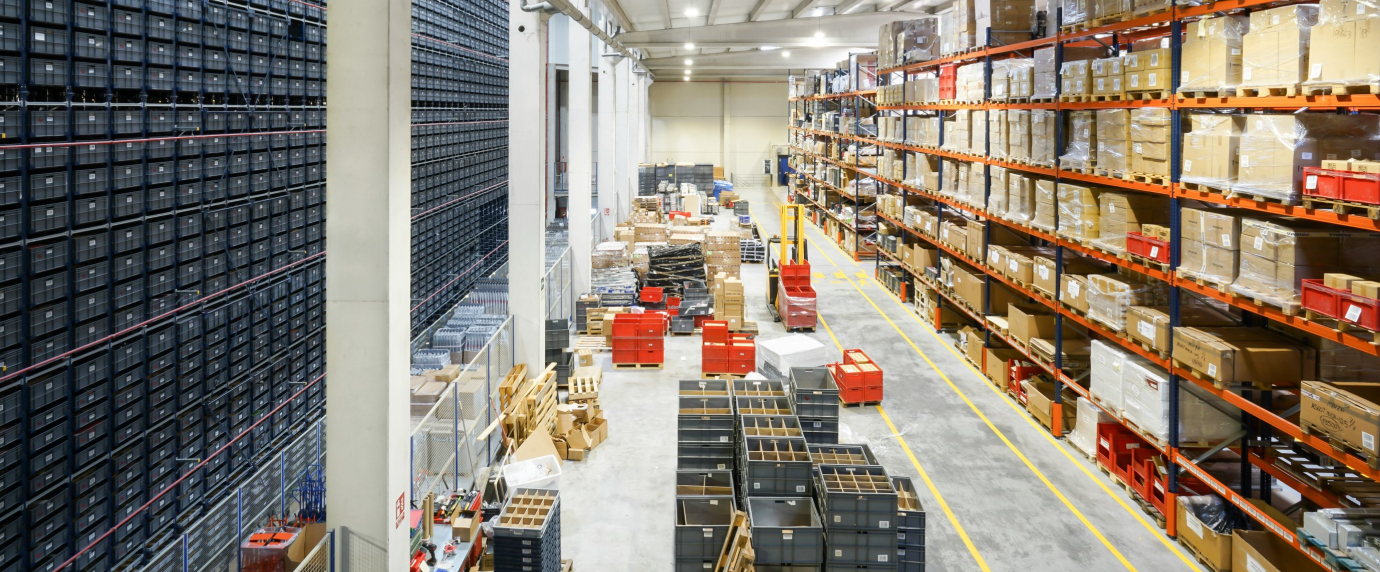
Inventory mismanagement is rampant in the retail industry, resulting in an estimated overstock of $1.1 trillion. Overstocked merchandise is a leading cause of waste that costs the industry billions each year — around $471 billion on markdowns alone, according to IHL Group. Understocking can grind sales to a halt and carry skyrocketing opportunity costs caused by empty shelves and stockouts due to reconciliation that takes too long to check out customers or save a sale and instead finds itself abandoned at the location because consumers simply tire of waiting for it. AI and ML solve this problem by intelligent optimization, which applies reinforcement learning to dynamically manage supply and demand. 2025 — Edge AI (data processing at the source through IoT sensors) is now letting us track inventory in real time inside warehouses, changing stock options using predictive analytics.
The system allows a 20-30% reduction in inventory carrying costs, and turnover may be increased. Coca-Cola used ML to determine the ideal safety stock-work-in-progress, and can predict regional beverage demand variations, which have generated annual savings of €250 million. On the e-commerce front, Amazon’s AI-powered platforms have boosted warehouse picking productivity by 50%, with computer vision systems automating risky manual sortation tasks. Fast-fashion pioneer Zara cut excess inventory by 20% using machine learning algorithms that analyze sales velocity and return patterns, guaranteeing fresh products are in stock for online orders. These techs also use sustainability measurements, prioritise eco-conscious suppliers to match 2025’s green consumer call.
Logistical & Routing Efficiency: The Optimal Delivery Pattern
Last-mile delivery is still a pain point for e-commerce, which makes up 65% of logistics costs. AI and ML improve upon this by creating dynamic routes that consider traffic, weather, and delivery windows, sometimes by using digital twins—digital simulacra of supply networks for simulating network behavior. Generative AI 2025 leverages optimal packaging designs and route plans to minimize fuel usage and emissions.
UPS, for instance, saved 38 million liters of fuel each year using ML to optimize routes—a model that e-commerce platforms such as BigCommerce now follow with partner carriers. Cut out-of-stocks by 40% with AI that dynamically re-routes shipments in moments of disruption. (Source) Autonomous trucking, trialed in efforts such as Ohio’s Rural ADS, offers around-the-clock deliveries with no driver shortages and lower costs for e-tailers.
Finally, it is highly important to note that Aida’s support in delivering accurate ETAs has led to better DHL Parcel Poland (Europe) customer satisfaction in global ecommerce fulfillment.
Supplier Management and Risk Mitigation
E-commerce depends on multiple suppliers, but threats like delays or quality problems can follow. 2025 AI/ML platforms natively process natural language to scan through contracts and news for risks, where graph neural networks map supplier dependencies across the network. This preventive approach mitigates risks early on, as with the impact of tariffs on imports.
Siemens cut procurement times by 60% with AI vendor scoring, a strategy employed by e-commerce companies to spread out sources. Johnson & Johnson took a seven-day lead on 85% of disturbances by ML risk modeling to avoid bottlenecks in e-commerce. At the time of the 2025 Suez Canal analogue blockage, P&G’s digital twins restricted costs to $18 million by testing alternatives. For smaller e-tailers, products such as Sell The Trend use AI to find good dropshipping suppliers based on performance data.
Predictive Maintenance and Sustainability Integration
AI also comes to include predictive maintenance- here ML takes input from sensors pervading equipment and predicts failure ahead of the fact, reducing downtime by as much as 20-30%- important for e-commerce warehouses processing a million orders. The Port of Rotterdam cut costs by €31 million a year in this manner. In 2025: You benefit from AI-enabled sustainability, such as when it optimizes your route for minimal emissions or helps you choose a green supplier that complies with legislation such as the EU’s Carbon Border Adjustment Mechanism. E-commerce giants like Alibaba deploy AI to reduce packaging waste, advancing circular economies.
Challenges and Implementation Strategies
Despite the advantages, obstacles remain: data silos, high cost of entry (Enterprises expect to pay $500K-$2.5M for an instance), and skill gaps are some of them – only 28% of mid-sized businesses have adopted AI widely now! There are ethical issues to consider about biased algorithms. To address these, consider starting with pilot deployments in high-impact areas such as forecasting by leveraging cloud-based ML platforms like AWS SageMaker. Add RPA for automation, like Walmart, to bring your operation efficiency, such as e-commerce fulfillment accuracy, up a notch. Two-thirds of executives have automated a core process by 2025 (Gartner, citing scalable and hybrid human-AI models).
Real-World Case Studies
Alibaba’s AI stack is supercharging its giant e-commerce system with ML applied to demand sensing and logistics, which has shortened delivery time by 30% in peak seasons. FINDING PATTERNS Microsoft was able to cut planning from four days to 30 minutes with the help of AI, helping e-commerce partners scale faster. In a 2025 example, one of the mid-sized fashion e-tailers developed an AI agent with Litslink trained to predict trends that led to reducing inventory expenses by 25%. These stories highlight the real-world ROI of AI.
Trends of the Future: 2025 and Onwards
Down the road, 2025 trends consist of AI-based digital twins for end-to-end simulation and edge computing for decentralized decisions to make resilience a natural order of strategic behavior. Generative AI will automate network redesigns; blockchain-AI hybrids ensure that tracking is transparent. ML for sustainability-oriented purposes will favour low-carbon pathways, with supply chain analytics usage on the rise by 257 percent.
Conclusion
AI and ML will be key to the efficiency, resiliency, and customer delight in optimized e-commerce supply chains of 2025. From predicting surges to routing you in ways that save the environment, these tech companies turn data into business. With adoption accelerating, businesses that invest will lead a trillion-dollar market. Adopt AI now to ensure your operations are future-proof.